
Minimalism is not synonymous with good design
Interface design is usually associated with two main design styles: maximalism and minimalism.
This work presents information about both design styles with the goal of showing that it is not necessary to adapt a brand to a specific style just because it is trendy.
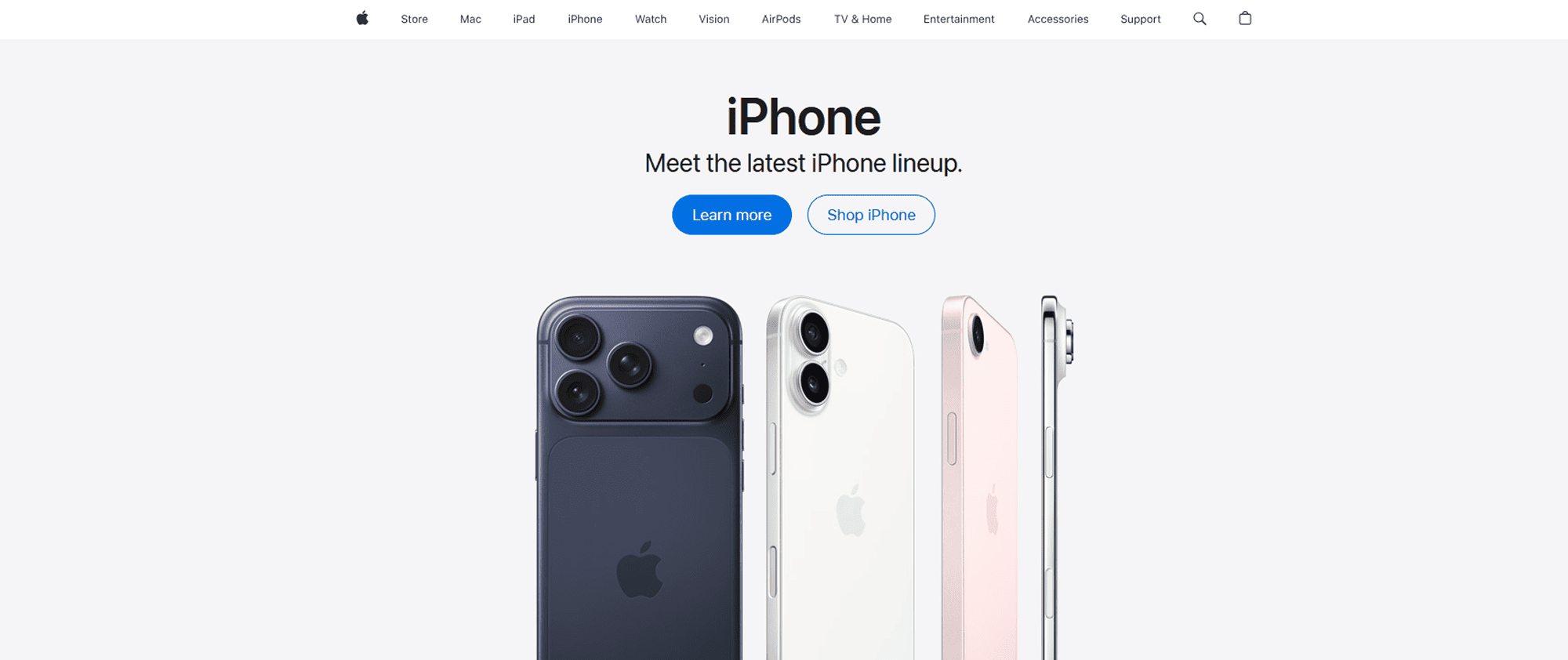
Minimalism
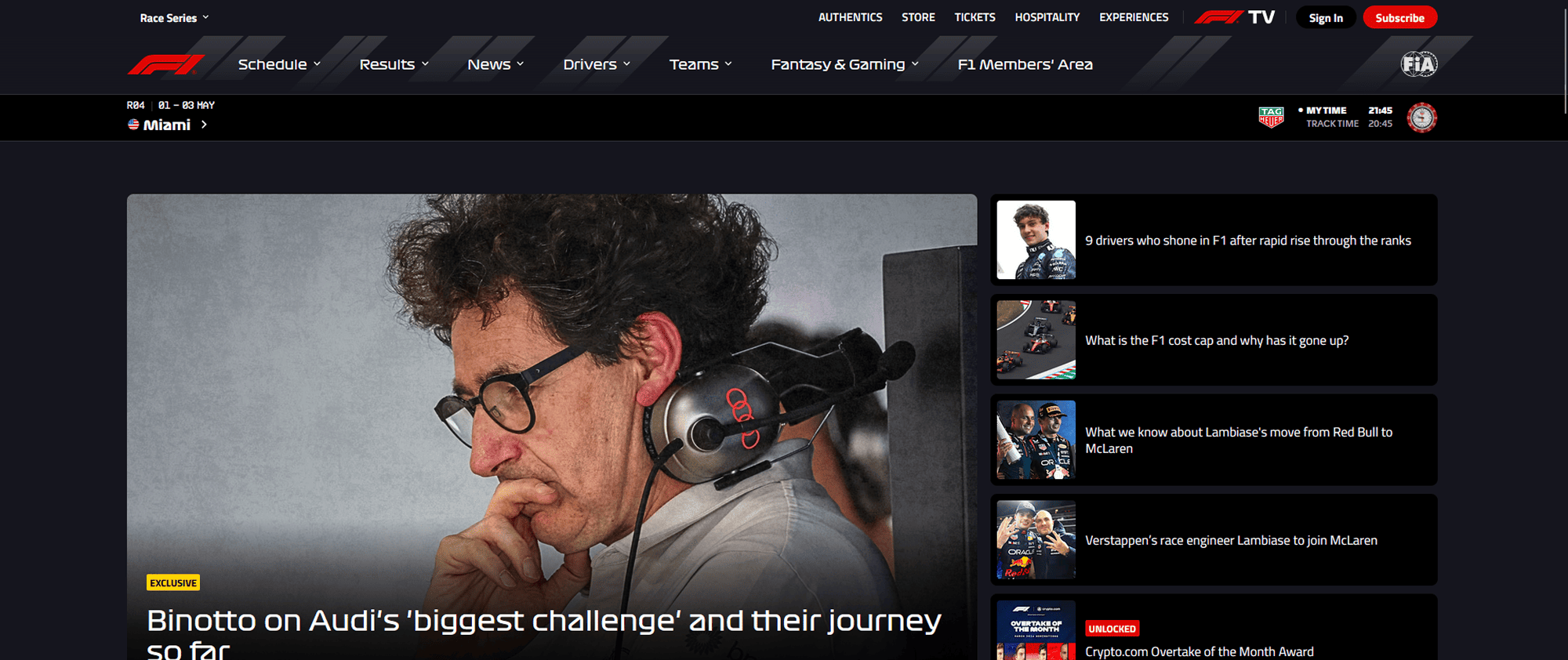
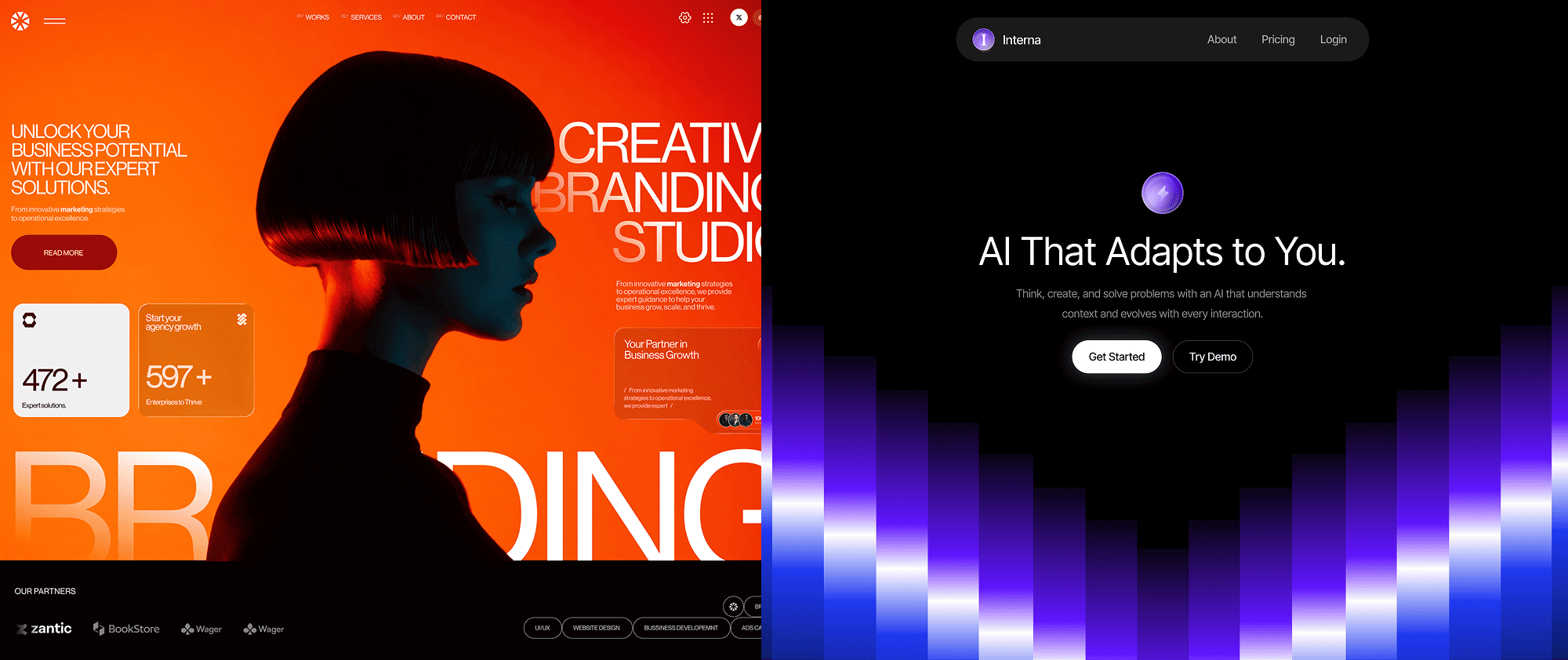
Minimalism is characterized by reducing visual elements to the essential, prioritizing simplicity, the use of negative space, focus on fewer elements at a time, among other approaches.
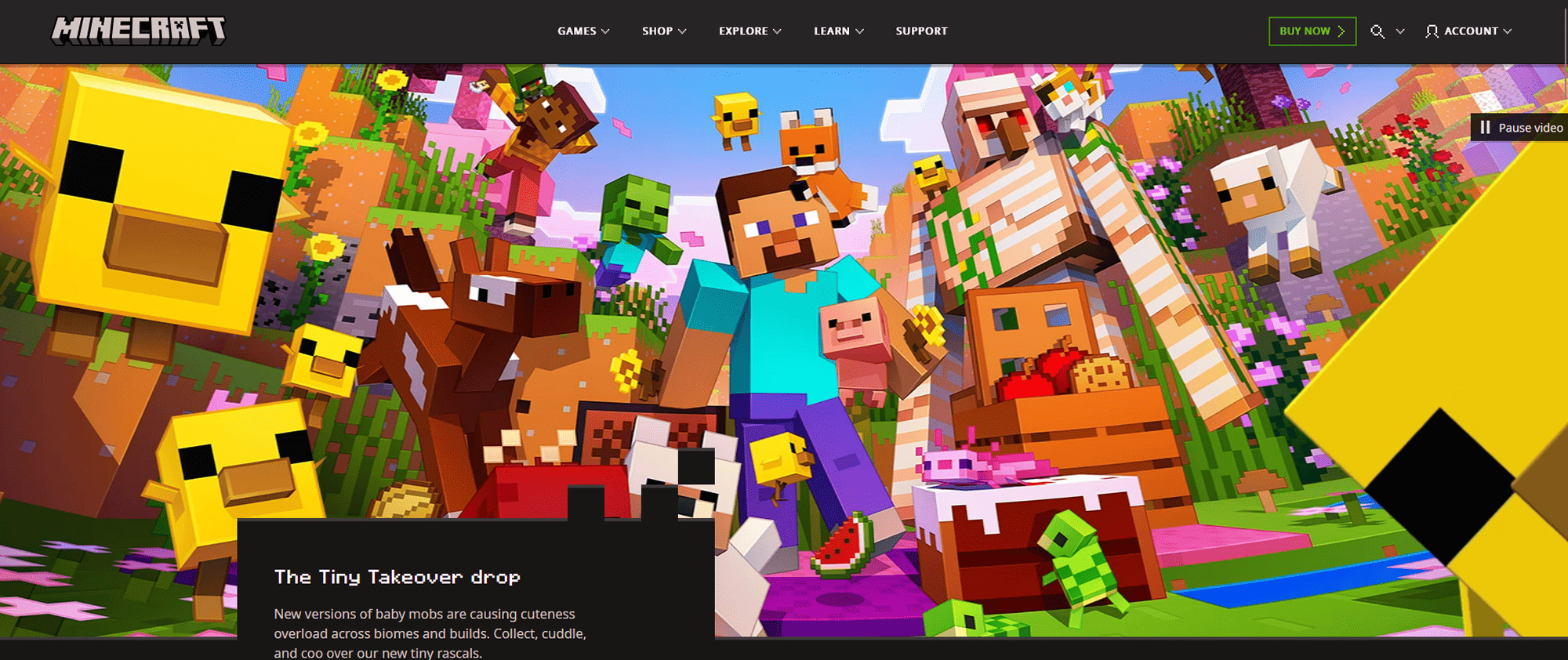
Maximalism
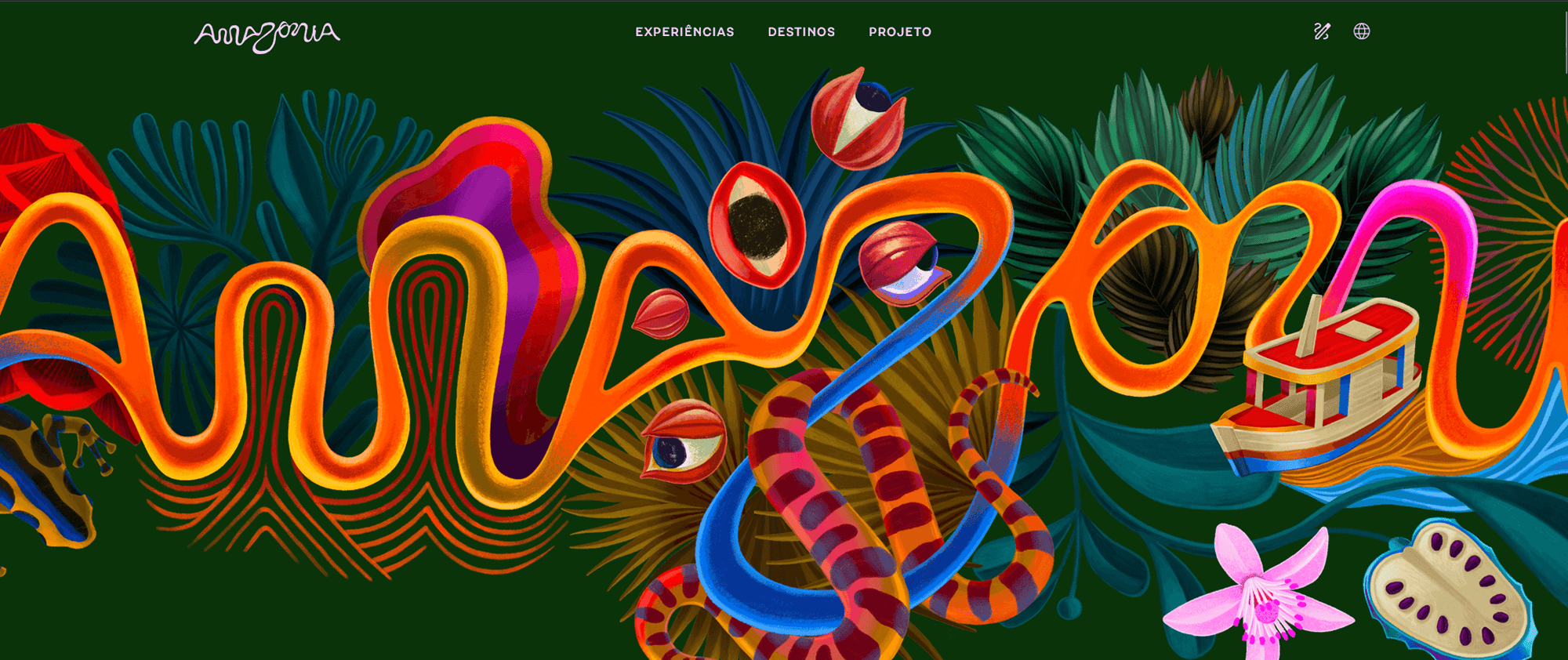
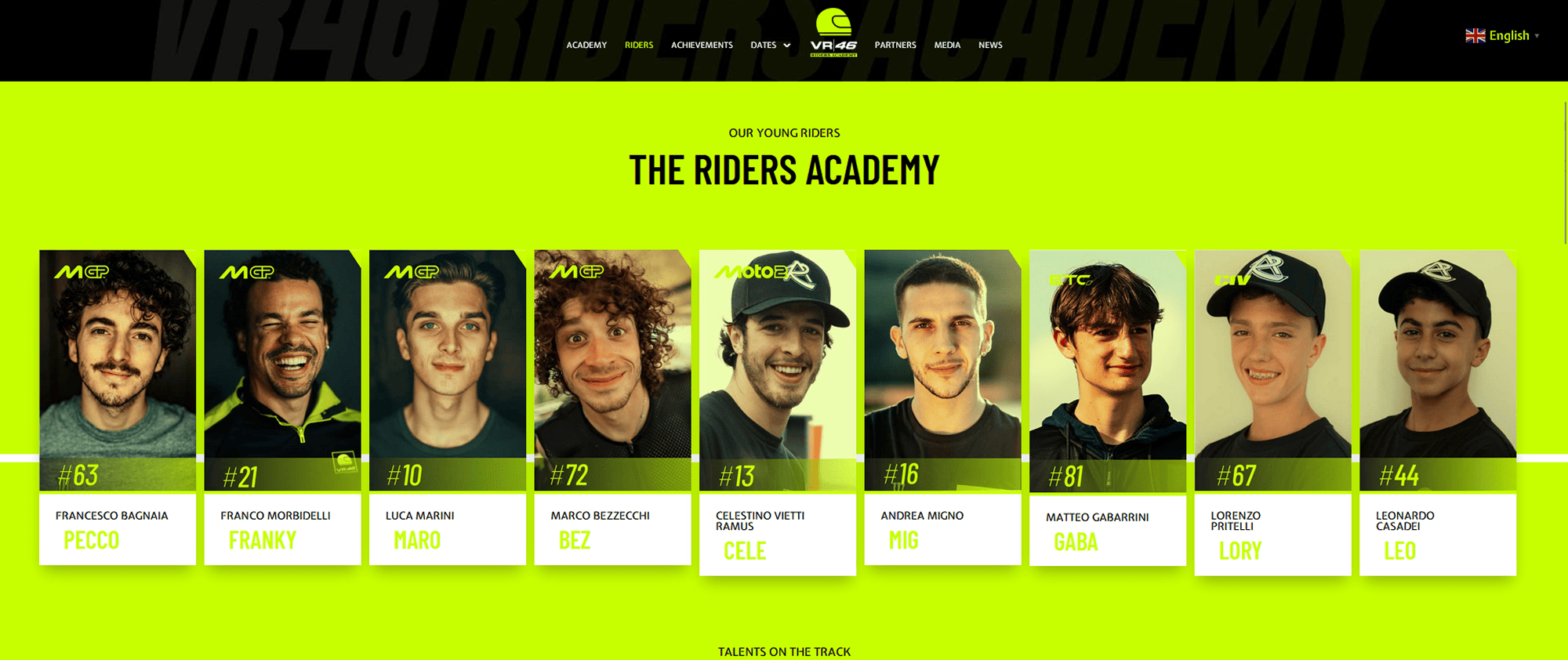
In contrast to minimalism, maximalism takes a more complex approach, prioritizing the use of multiple visual layers, vivid colors, striking shadows and textures, among other approaches.
Disorganization and failure in information transmission
Contrary to common belief, maximalism does not directly imply disorganization, nor does it inherently represent a barrier to information transmission.
The association between maximalism and disorganization is not in the style itself, but in how it is applied. When poorly executed, any approach, whether maximalist, minimalist, or a mix of both, results in disorganized information and failure in information transmission.
Design vs Content Density
The relationship between design and content density is not direct; the adopted visual style does not directly determine the amount of information presented in an interface.
It is possible to build minimalist interfaces with high content density, just as a maximalist design can have low density.
High density minimalism:
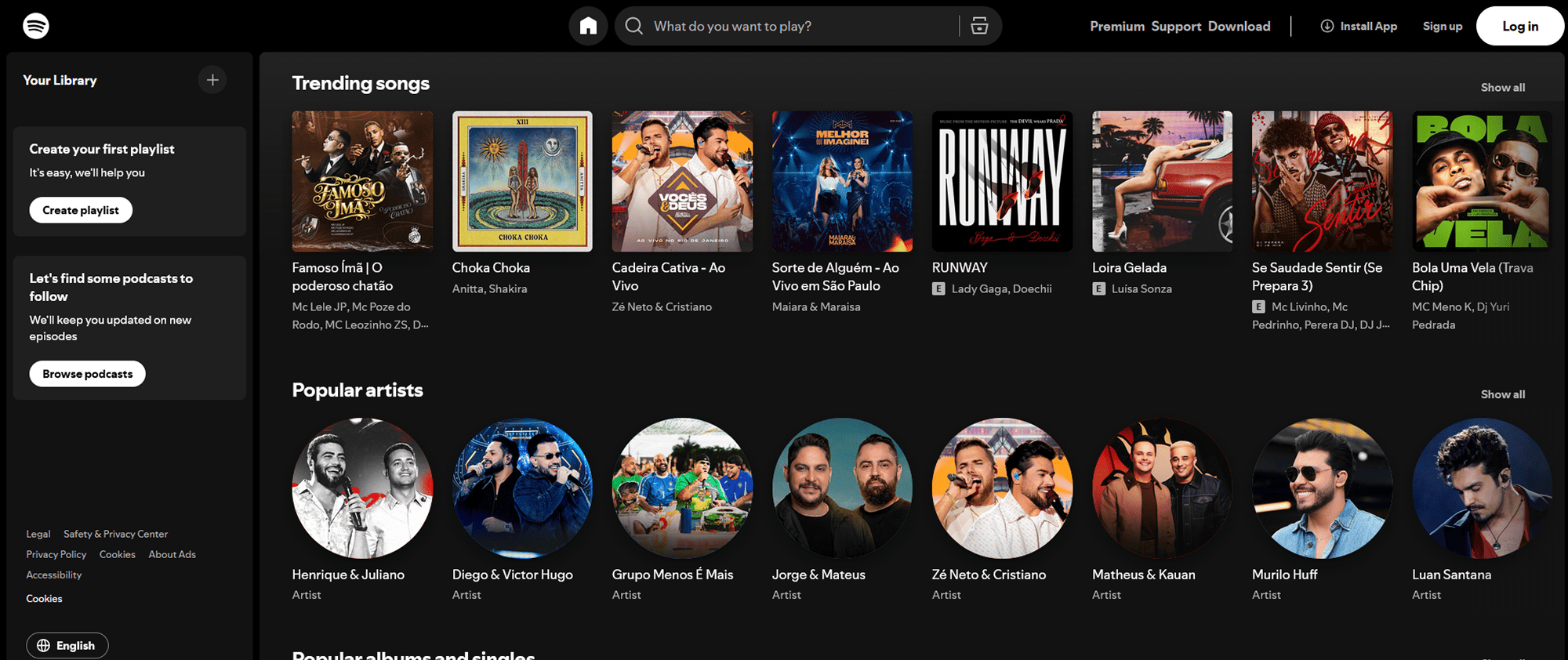
Low density maximalism:

Conclusion
Adopting a visual style, for your brand is a crucial part of good design.
It is not necessary to change your brand identity to fit a convenient pattern; this change should happen more because of the product or audience needs.
The result is less related to choosing minimalism or maximalism, and more to the quality of design decisions and the technical ability of implementation.
Do not be stuck to trends, be authentic and create with quality.